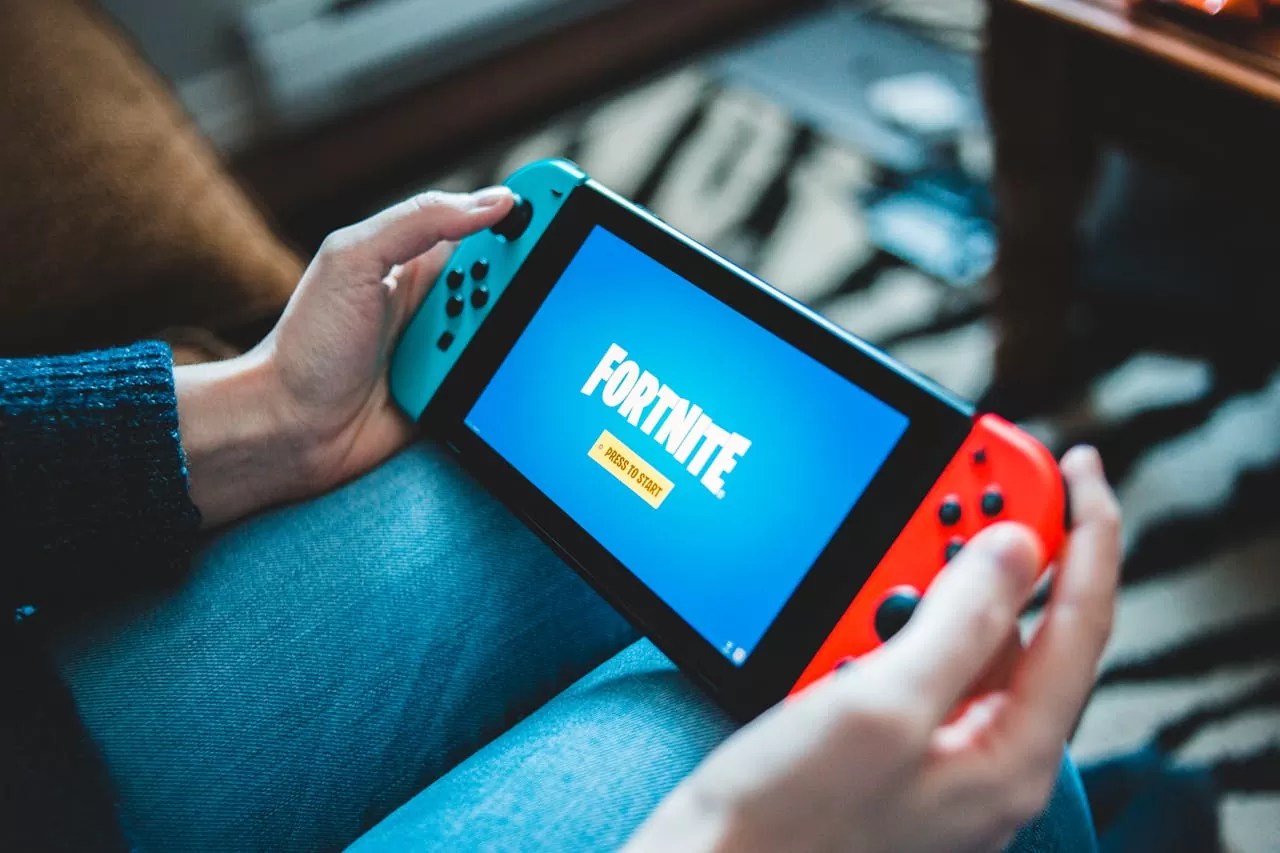
Fortnite isn’t just another video game. Launched in 2017 by Epic Games, it started as a co-op survival title, kinda like Minecraft with frantic building and zombie hordes to fend off. But things flipped fast. Behind the dark forests, ruined cities, and makeshift structures, a game-changing mode emerged: Battle Royale. Today, Fortnite Battle Royale means millions of players worldwide duking it out to be the last one standing. How did this mode turn a basic game into a cultural icon? Let’s dive in.
Fortnite’s humble origins: before the Battle Royale chaos
At first, Fortnite was called Save the World. Picture this: you and your buddies building forts out of wood, metal, or brick to survive waves of zombies. The core loop was quick building, customized weapons, and an addictive progression system. It was fun and creative, but it was missing that explosive edge.
By 2017, the gaming world was buzzing with survival concepts like PUBG in early access. Still, no one had nailed a free, accessible battle royale for everyone. Epic spotted the opportunity and pivoted hard. Late September 2017, they teased a free mode: 100 players dropped onto a massive island, a shrinking safe zone forcing the action, and just one winner. Boom. Fortnite Battle Royale was born.
The Battle Royale revolution: 100 players, one island, one victory
What made this mode stand out was its smoothness. No downtime: you leap from the Battle Bus, loot weapons off the ground, slap up a wall to dodge bullets. Building—the heart of Fortnite—blended seamlessly with shooting. Sniper on your tail? Ramp up and you’re elevated. It felt like a massive soccer match in an armed sandbox.
Unlike stiffer battle royales, Fortnite leaned into dancing, humor, and customization. Wild emotes, flashy skins, live events like virtual concerts… It wasn’t just a game; it was a party. And free! In weeks, it shattered concurrent player records across PC, consoles, and mobile.
Early hiccups and the magic of constant updates
Launch wasn’t flawless. Players griped about lag, clunky fights, and dragged-out matches. But Epic listened—Reddit, Twitter, forums—and iterated.
- Tech tweaks: beefed-up servers, lighter graphics for mobile.
- Weekly drops: crazy weapons (rocket pistols!), vehicles, limited modes like 50v50.
- Epic events: collabs with Marvel, Star Wars, Travis Scott… New maps and storylines every season.
These non-stop updates flipped haters into superfans. Battle Royale wasn’t optional anymore; it was Fortnite.
Why Fortnite Battle Royale still rules in 2026
Fortnite’s now over 500 million accounts strong. It’s the battle royale king thanks to:
- Perfect balance: strategy beats raw skill. Building rewards creativity.
- Full cross-play: squad up with PS, Xbox, Switch, PC pals—no barriers.
- Massive ecosystem: Creative mode for custom maps, Zero Build for shooter purists.
It mainstreamed the genre for kids, teens, even parents. Pro tourneys like the Fortnite World Cup ($30M prize pool in 2019) make it a top esport.
| Key Season | Major Innovation | Impact |
|---|---|---|
| Season 1 (2017) | Battle Bus & Storm | Popularity explosion |
| Season X (2019) | Meteors & Mechs | Cinematic events |
| Chapter 3 (2021) | Sliding & Water | Fun new mechanics |
| OG Season (2023) | Classic map returns | Massive nostalgia |
The last survivor: Fortnite’s soul
Fortnite Battle Royale is more than a game—it’s an arena where wins come from smart choices, quick reflexes, and a dash of luck. From noobs cranking 90s to streamers clutching solos… Everyone gets a shot.
What’s your best Fortnite memory? That epic Victory Royale or wild collab? Drop it in the comments, like if you’re team BR, and subscribe for more deep dives on games that shape history. Next season could be yours!